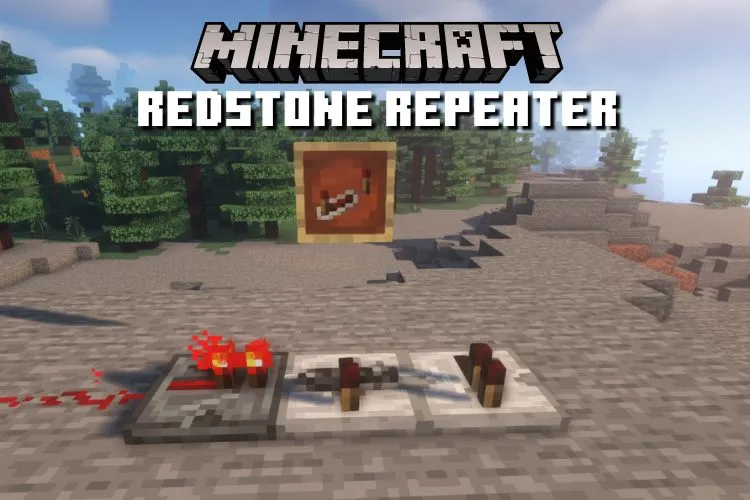
Redstone Repeaters are essential components when working with redstone circuits. They allow players to control signal delays, extend the reach of redstone power, and create more advanced mechanisms like clocks, traps, and doors. If you’re just getting started with redstone, learning how to build a repeater is a crucial step in mastering redstone mechanics.
This article will walk you through the process of how to craft a repeater in Minecraft, as well as how to use it effectively in your builds.
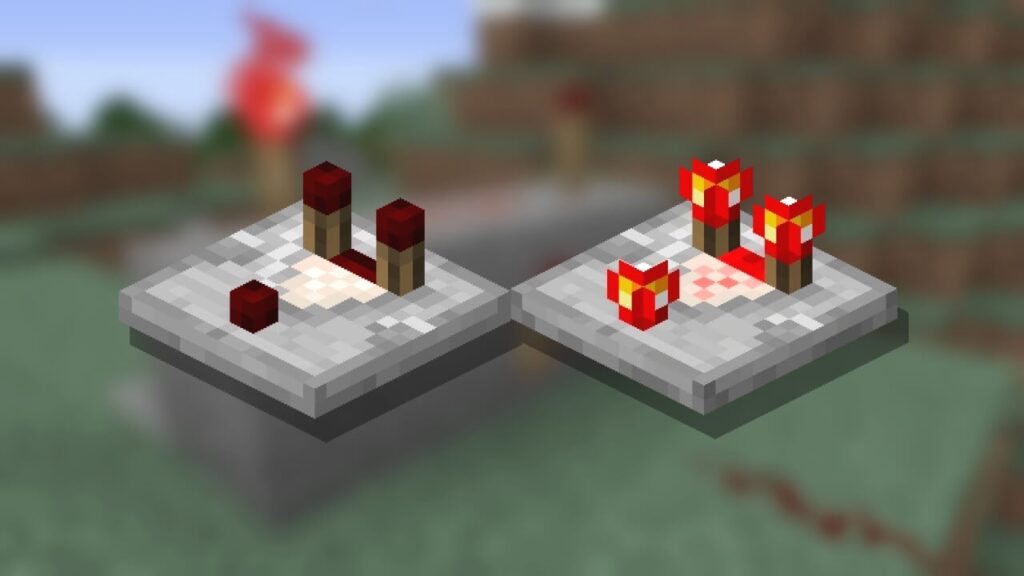
What is a Redstone Repeater?
A Redstone Repeater is a block that serves multiple purposes in Minecraft. It can extend the range of a redstone signal, introduce a delay in the signal, or lock the signal altogether. This makes it an essential component for complex redstone contraptions.
Key uses of a Redstone Repeater include:
- Signal extension: Redstone signals can only travel 15 blocks. A repeater extends this distance.
- Delay mechanism: You can introduce a customizable delay to a redstone signal.
- Signal direction control: Repeaters only transmit signals in one direction, allowing for better control over circuits.
How to Build a Redstone Repeater in Minecraft
Building a redstone repeater requires a crafting table and the right materials. Here’s the list of items you’ll need to get started:
Materials Required:
- 3 Stone blocks: Regular stone, not cobblestone. You can obtain this by smelting cobblestone in a furnace.
- 2 Redstone Torches: Crafted by placing a stick and a redstone dust in the crafting grid.
- 1 Redstone Dust: Mined from redstone ore, which is commonly found deep underground (between levels 1-16).
Crafting Steps:
- Collect the materials: Make sure you have 3 stone blocks, 2 redstone torches, and 1 redstone dust.
- Open the crafting table: Right-click on your crafting table to access the 3×3 crafting grid.
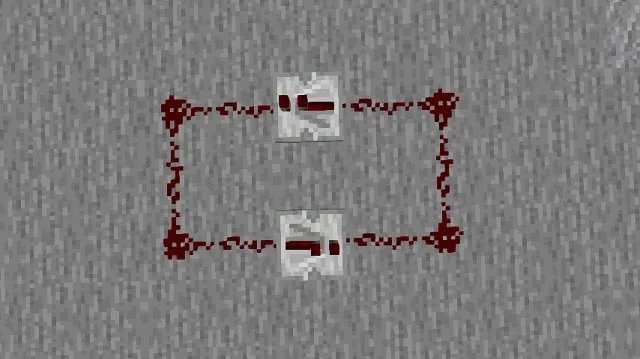
- Place the materials:
- Place the 3 stone blocks in the bottom row.
- Place the 2 redstone torches in the left and right slots of the middle row.
- Place the redstone dust in the center of the grid.
- Craft the Repeater: Once you’ve placed the materials in the correct pattern, a redstone repeater will appear in the crafting result box. Drag it into your inventory, and you’re ready to use it!
Congratulations! You now know how to craft a repeater in Minecraft.
How to Use a Redstone Repeater
Now that you’ve learned how to build a repeater in Minecraft, let’s go over how to use it effectively. The redstone repeater is a versatile tool that serves multiple functions in your redstone circuits:
- Extending Redstone Signals: Redstone signals weaken after traveling 15 blocks. Placing a repeater after the signal fades will refresh the signal and allow it to travel another 15 blocks.
- Introducing Delays: By right-clicking on the repeater, you can adjust its delay setting. Each click increases the delay by one tick (0.1 seconds), up to four ticks (0.4 seconds).
- Signal Locking: If another repeater sends a signal into the side of a repeater, it can lock the repeater, freezing its state until the signal is removed.
Advanced Uses for Redstone Repeaters
Here are some more creative uses for redstone repeaters:
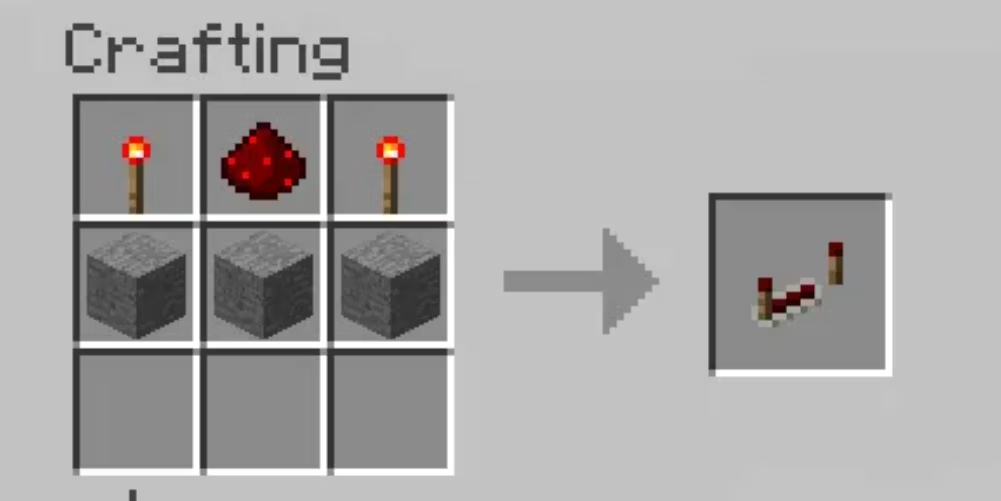
- Redstone Clocks: By creating a loop with redstone dust and repeaters, you can build a repeating signal, often used for automatic farms or traps.
- Automatic Doors: By introducing delays with repeaters, you can create timed doors that open or close after a set period.
- Piston Traps: Repeaters are commonly used in traps to delay piston activation, giving the player time to fall into a trap or triggering the piston at the perfect moment.
Conclusion
Knowing how to craft a redstone repeater opens up a world of possibilities in Minecraft. Whether you’re building simple circuits or complex machines, repeaters are essential for fine-tuning and extending redstone signals. Now that you know how to build and use redstone repeaters, you can start experimenting with more advanced redstone projects, from automated farms to intricate traps.