
Where multiplayer experiences and online interactions are ubiquitous, ensuring the security of gaming networks is paramount. From protecting player data to safeguarding against cyber threats, network security utilities play a crucial role in maintaining the integrity and trustworthiness of gaming platforms. This article delves into the importance of network security utilities in securing gaming networks.

Read about also: The Impact of Code Analysis Utilities.
Understanding the Challenges of Network Security in Gaming
Gaming networks face a myriad of security challenges, including:
- Data Breaches: With the rise of online gaming platforms, protecting sensitive player data, including personal information and payment details, is of utmost importance. Data breaches can have severe consequences for both players and game developers, leading to financial losses and reputational damage.
- Distributed Denial of Service (DDoS) Attacks: DDoS attacks are a common threat to gaming networks, disrupting gameplay by flooding servers with traffic and causing downtime. These attacks can result in lost revenue, frustrated players, and tarnished reputations for game developers.
- Cheating and Exploitation: Cheating and exploitation are prevalent in online gaming communities, undermining the integrity of games and diminishing the gaming experience for legitimate players. Network security utilities help detect and prevent cheating behaviors, ensuring fair gameplay for all.
The Role of Network Security Utilities
- Firewalls and Intrusion Detection Systems (IDS): Firewalls and IDS are essential network security utilities that monitor and filter incoming and outgoing network traffic, preventing unauthorized access and detecting suspicious activity. They help protect gaming networks from external threats and intrusions.
- Encryption and Secure Protocols: Encryption and secure protocols, such as SSL/TLS, are vital for securing data transmission over gaming networks. Network security utilities ensure that sensitive data, including player credentials and payment information, is encrypted and protected from eavesdropping and interception.
- Anti-Cheat Systems: Anti-cheat systems are network security utilities designed to detect and prevent cheating behaviors in online games. These systems monitor player activity, analyze game data, and identify suspicious behavior patterns to maintain fair gameplay and preserve the integrity of games.
Examples of Network Security Utilities
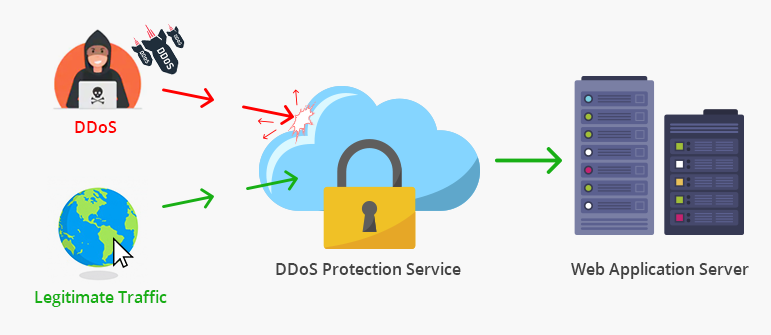
- DDoS Protection Services: Services like Cloudflare and Akamai offer DDoS protection solutions tailored to gaming networks, mitigating DDoS attacks and ensuring uninterrupted gameplay for players.
- GameGuard: GameGuard is an anti-cheat software solution commonly used in online games to detect and prevent cheating behaviors, such as aimbots, wallhacks, and speed hacks.
- Network Traffic Analysis Tools: Tools like Wireshark and Suricata provide network traffic analysis capabilities, allowing game developers to monitor and analyze network traffic for signs of suspicious activity or security threats.

Conclusion
In the ever-evolving landscape of online gaming, network security utilities are indispensable tools for protecting gaming networks and ensuring the integrity of gaming experiences. By deploying firewalls, encryption, anti-cheat systems, and other network security utilities, game developers can safeguard player data, mitigate cyber threats, and preserve the fairness and integrity of games.
As the gaming industry continues to grow and evolve, the importance of network security in gaming will only increase. By embracing network security utilities and adopting best practices in network security, game developers can create safer, more secure gaming environments for players around the world, fostering trust, loyalty, and enjoyment in the gaming community.