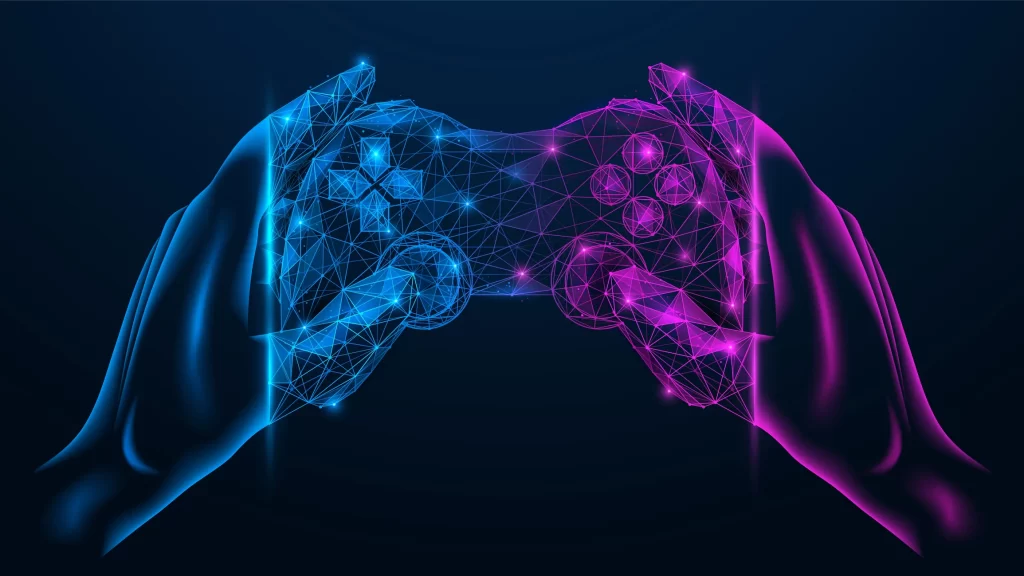
Artificial intelligence (AI) has become increasingly prevalent in the gaming industry, revolutionizing the way games are developed, played, and experienced. From intelligent NPCs to dynamic environments and adaptive gameplay, AI is reshaping the landscape of game development and enhancing player experiences in profound ways. This article delves into the role of artificial intelligence in game development and its impact on creating immersive and engaging gaming experiences.
Read about also: The Evolution of Game Engines.
Understanding Artificial Intelligence in Games
Artificial intelligence in games refers to the use of algorithms and computational techniques to simulate human-like behavior and decision-making within virtual environments. AI enables game developers to create lifelike characters, responsive environments, and challenging opponents that adapt to player actions and provide dynamic gameplay experiences.
The Evolution of AI in Games
AI in games has come a long way since its inception, evolving from simple rule-based systems to sophisticated machine learning algorithms and neural networks. Early games relied on scripted behaviors and predefined rules to simulate AI-driven characters and interactions. However, advances in AI technology have enabled developers to create more complex and dynamic AI systems capable of learning from player behavior and adapting to changing game conditions in real-time.

Applications of AI in Game Development
- NPC Behavior: AI-driven NPCs (non-player characters) play a vital role in shaping the player’s experience in games. AI algorithms govern NPC behavior, allowing characters to navigate environments, interact with objects, and respond to player actions in realistic and immersive ways. Advanced AI techniques, such as pathfinding algorithms and behavior trees, enable NPCs to exhibit complex behaviors and engage players in meaningful interactions.
- Procedural Content Generation: AI is increasingly being used to generate game content dynamically, including levels, maps, quests, and items. Procedural content generation algorithms analyze player preferences, game mechanics, and environmental constraints to generate content that is unique, varied, and engaging. This approach not only reduces development time and costs but also enhances replayability and player satisfaction.
- Adaptive Gameplay: AI-driven systems can adapt gameplay experiences to individual player preferences and skill levels. Adaptive difficulty algorithms adjust game difficulty based on player performance, ensuring that players are consistently challenged without becoming frustrated or bored. Dynamic storytelling systems use AI to generate personalized narratives and branching storylines that respond to player choices and actions, creating immersive and interactive storytelling experiences.

The Future of AI in Game Development
As AI technology continues to advance, the possibilities for its application in game development are virtually limitless. From creating more intelligent and lifelike NPCs to generating procedurally generated content and dynamically adapting gameplay experiences, AI has the potential to revolutionize every aspect of game development.
Conclusion
Artificial intelligence is transforming the gaming industry, enabling developers to create immersive, dynamic, and personalized gaming experiences that captivate players and keep them coming back for more. Whether through intelligent NPCs, procedurally generated content, or adaptive gameplay systems, AI is reshaping the way games are developed, played, and experienced.
As AI technology continues to evolve, game developers will have unprecedented opportunities to push the boundaries of creativity and innovation, creating games that are more immersive, engaging, and memorable than ever before. By harnessing the power of AI, developers can unlock new possibilities and create experiences that resonate with players on a deeper level, ushering in a new era of gaming excellence.